


Access our marketplace to buy and sell green assets
Access our registry to track your various green assets
Access our Group Solar Data capturing platform
We assist projects from idea through to implementation
Contact us if you would like to find out more about any of our existing projects
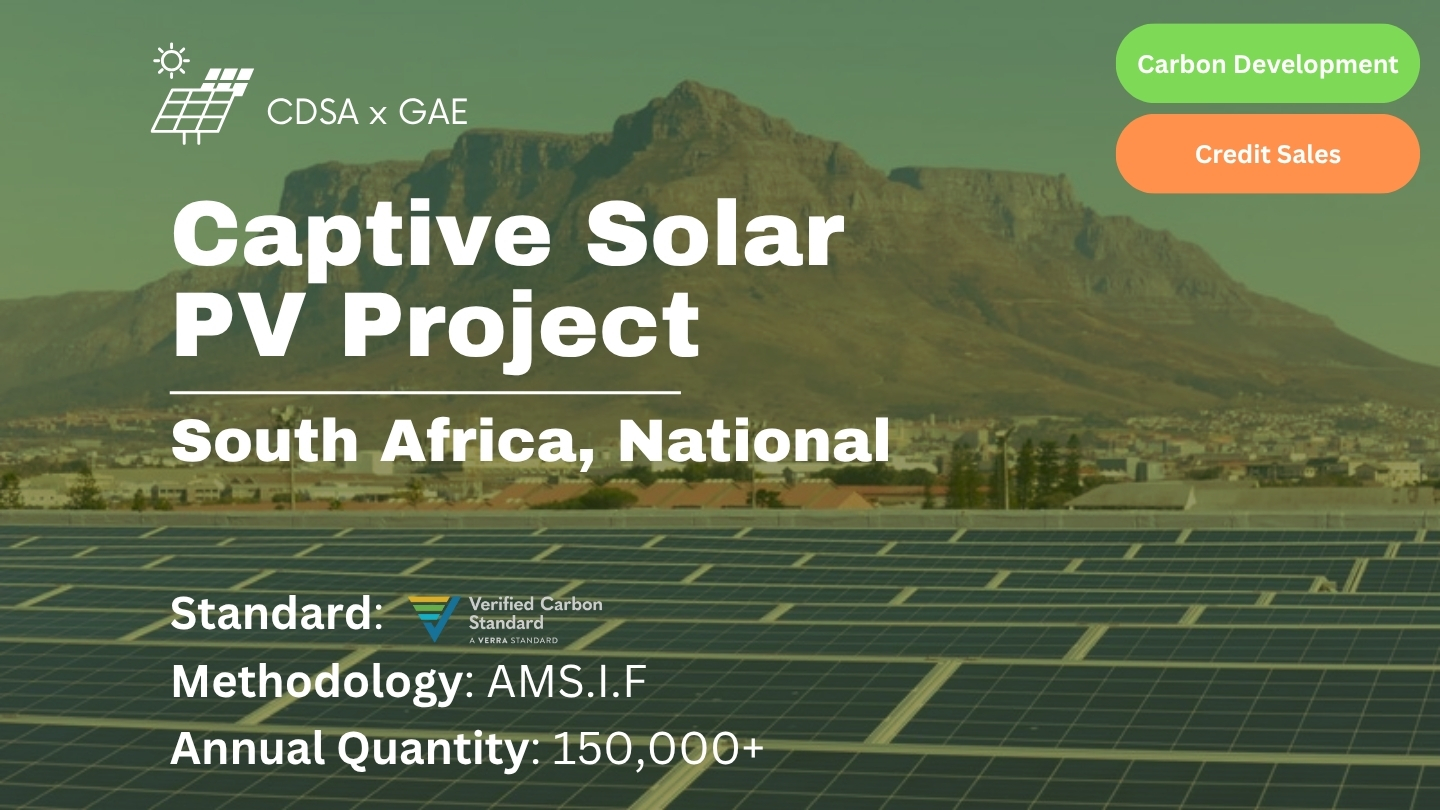
Captive Solar Group Project
Aggregating Distributed Solar to Drive Verified Carbon Impact
The Group Solar Project consolidates data from commercial and industrial solar systems across South Africa into a single, verifiable portfolio. Through rigorous auditing and carbon accounting, each participant’s renewable generation is converted into certified carbon credits. This approach ensures efficiency, transparency, and scale across the country’s solar landscape. The project directly supports national decarbonisation goals and enables measurable corporate climate action. Together, these installations demonstrate how distributed energy can achieve utility-scale climate impact.
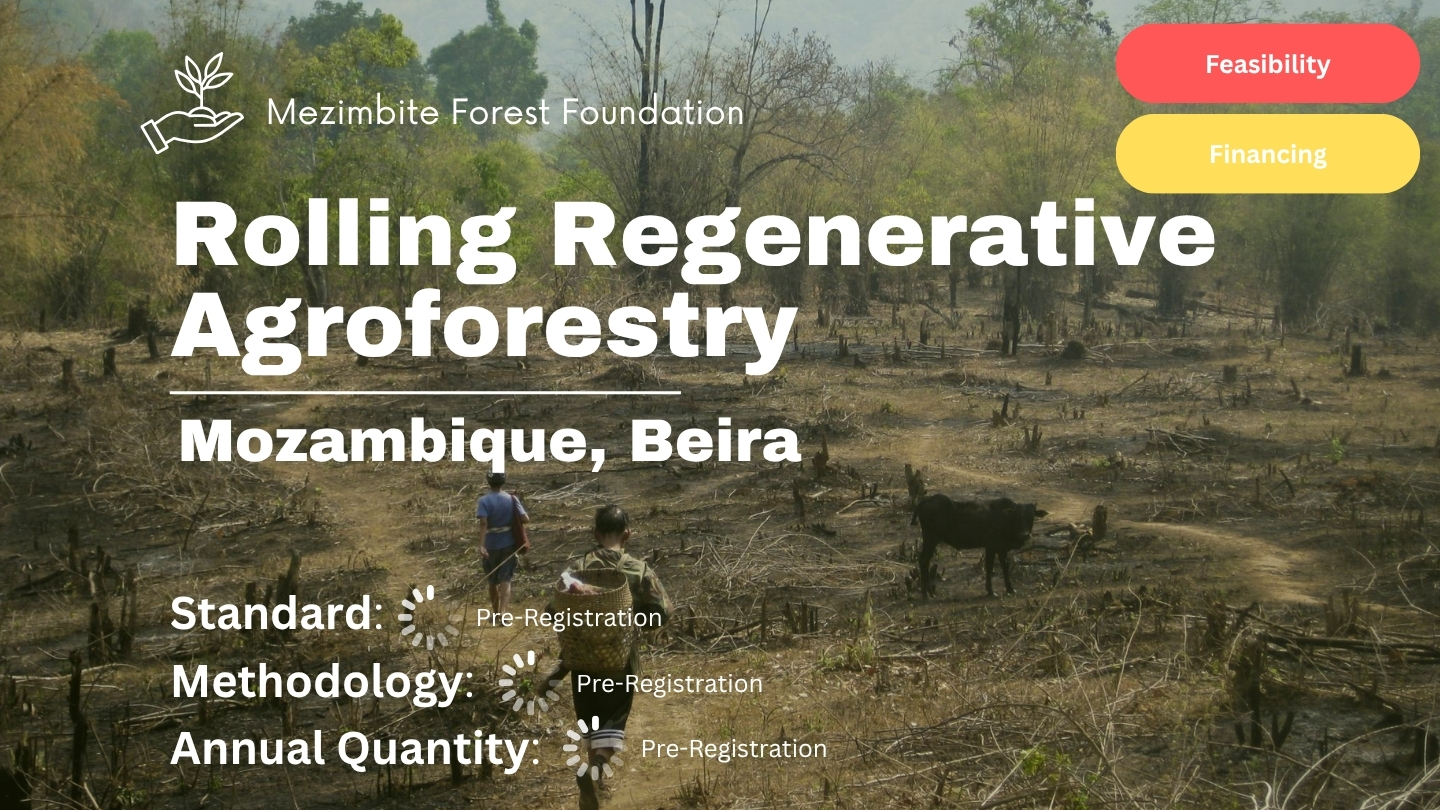
Rolling Regenerative Agroforestry
Integrated Land Restoration for Climate and Community Resilience
Located in Mozambique, this project restores degraded land through a combination of reforestation and sustainable agriculture. Native and productive tree species are intercropped with food crops to improve soil health and long-term carbon storage. The initiative enhances rural livelihoods by providing farmers with diversified income streams and climate resilience. Verified carbon credits are generated from measurable sequestration and improved ecosystem performance. The project exemplifies sustainable development through nature-based solutions that balance environmental and social outcomes.
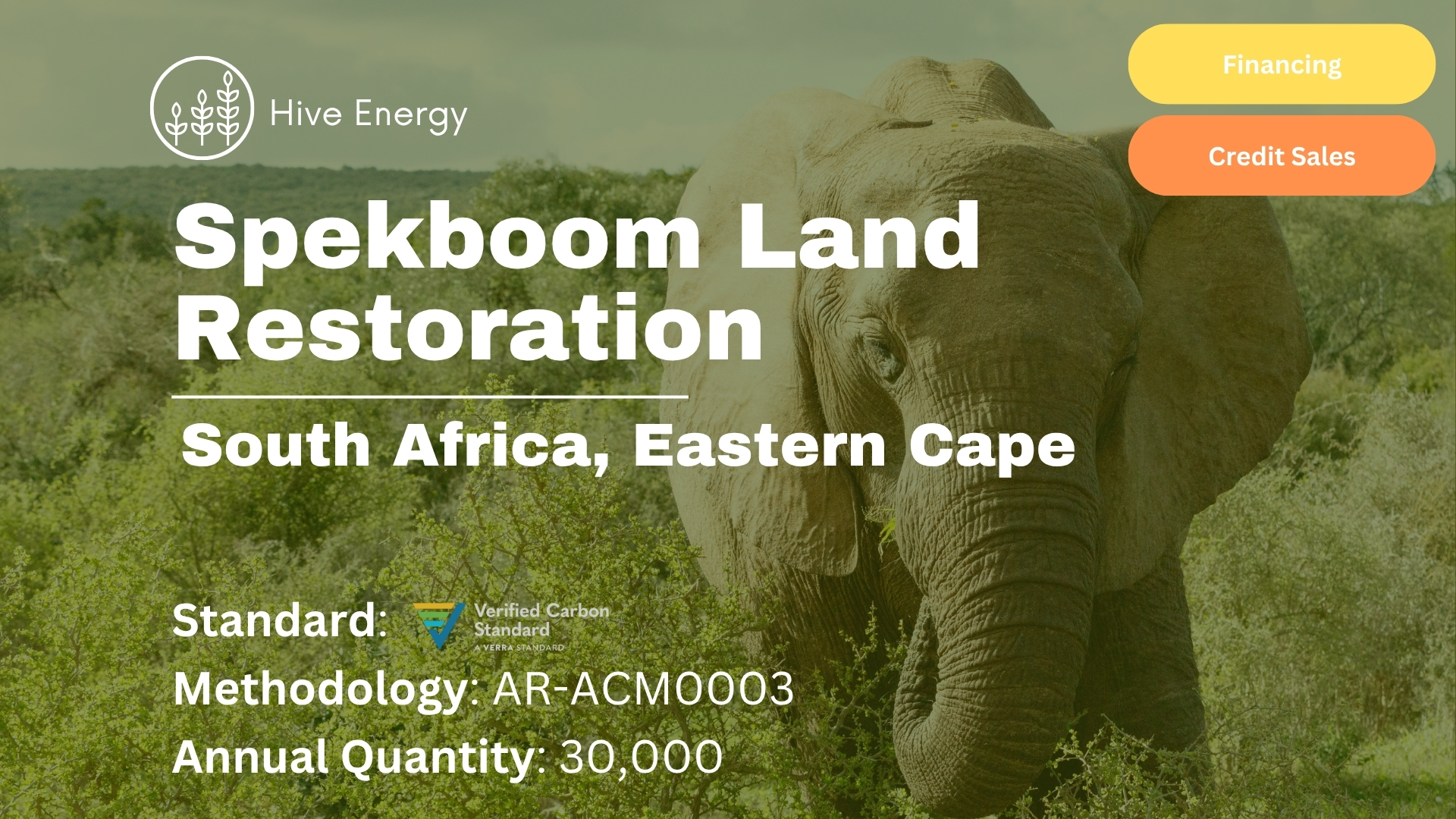
Spekboom Land Restorations
Rehabilitating Degraded Landscapes Using Indigenous Plant Species
This project leverages the exceptional carbon absorption and drought resistance of the indigenous Spekboom plant. Restoration activities across semi-arid regions of the Eastern and Western Cape help to restore biodiversity, prevent soil erosion, and strengthen ecosystem resilience. Local communities are engaged in planting and maintenance, creating employment and social benefit alongside measurable environmental impact. Carbon sequestration is tracked through recognised methodologies to ensure traceable, verified outcomes. The project contributes directly to South Africa’s broader carbon reduction and land restoration objectives.
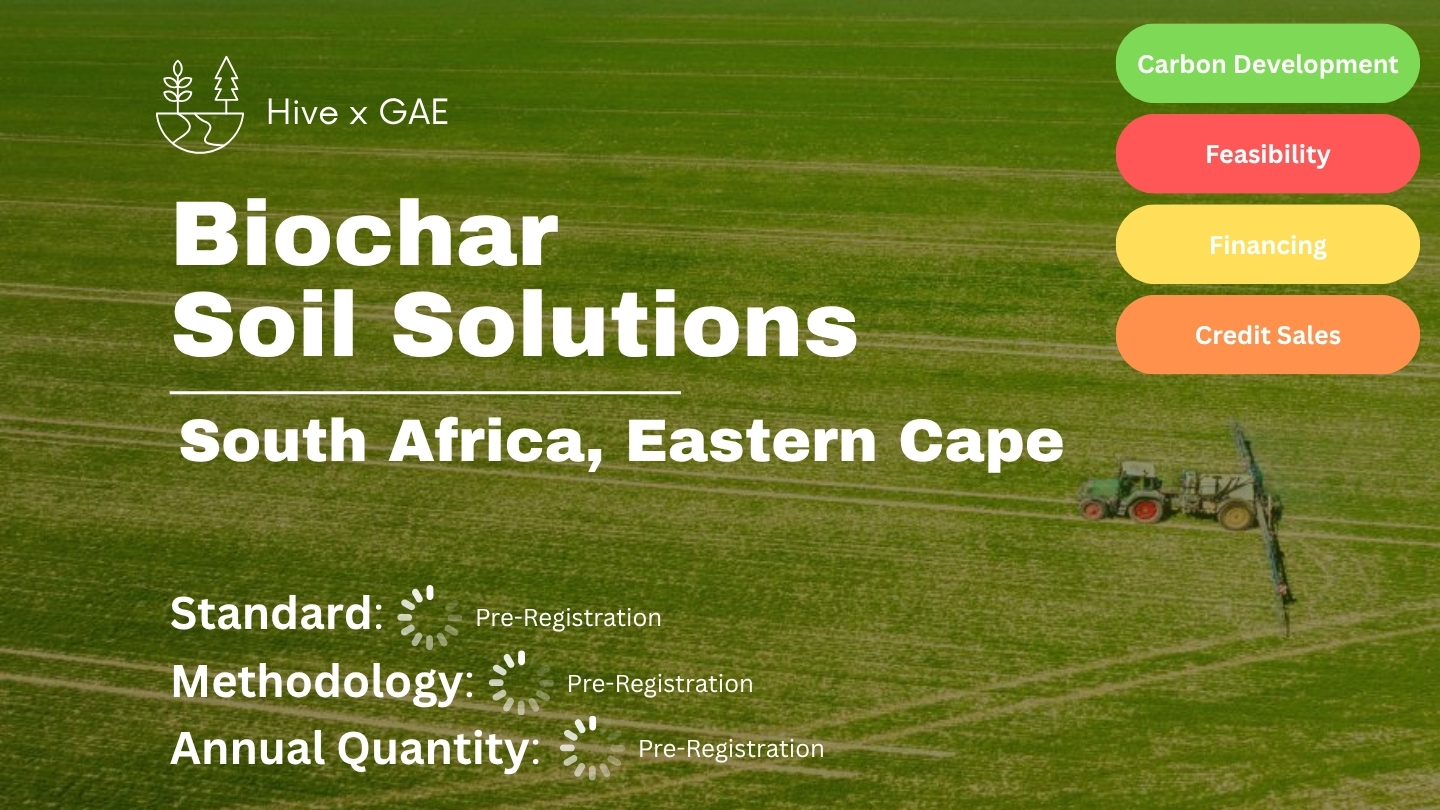
Biochar Soil Solutions
Transforming Invasive Biomass into Long-Term Carbon Storage
This initiative converts invasive alien plant biomass into biochar using controlled pyrolysis technology. The process sequesters carbon in a stable form while improving soil quality and water retention in agricultural applications. By removing invasive species, the project helps restore native ecosystems, reduce wildfire risks, and promote sustainable land management. Employment opportunities are created through local biomass collection and processing operations. The Biochar Project represents a scalable solution that links waste management, regenerative agriculture, and carbon mitigation.
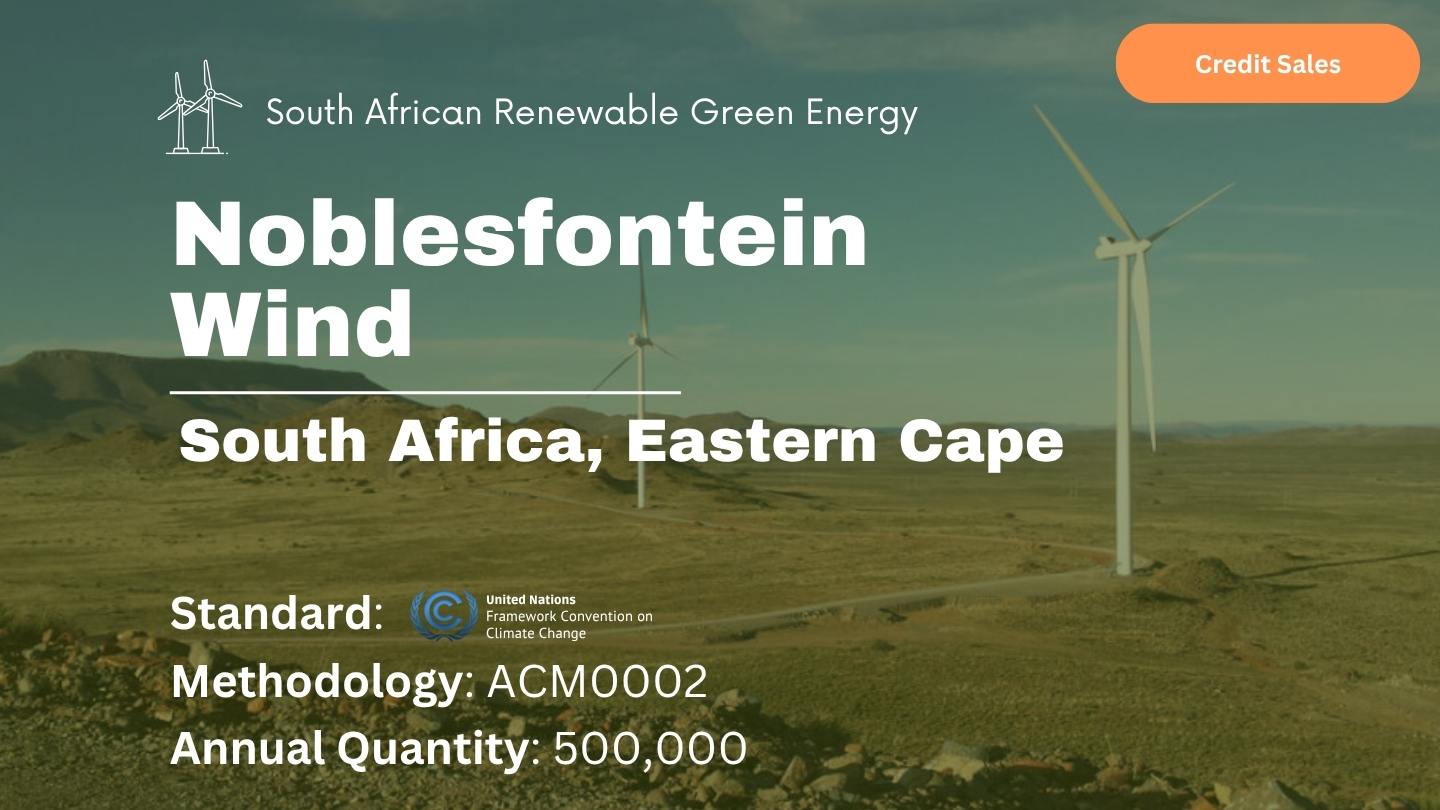
Noblesfontein Wind Project
Delivering Renewable Power through Proven Wind Energy Infrastructure
Situated near Jeffreys Bay, the Noblesfontein Wind Project harnesses one of South Africa’s most consistent renewable energy resources. Electricity generated from the facility feeds directly into the national grid, displacing carbon-intensive generation and supporting energy diversification. The project aligns with national renewable energy and emissions-reduction targets while maintaining strict environmental and operational compliance. Continuous monitoring ensures optimal efficiency and long-term reliability. Noblesfontein stands as a benchmark for large-scale wind energy implementation in Southern Africa.
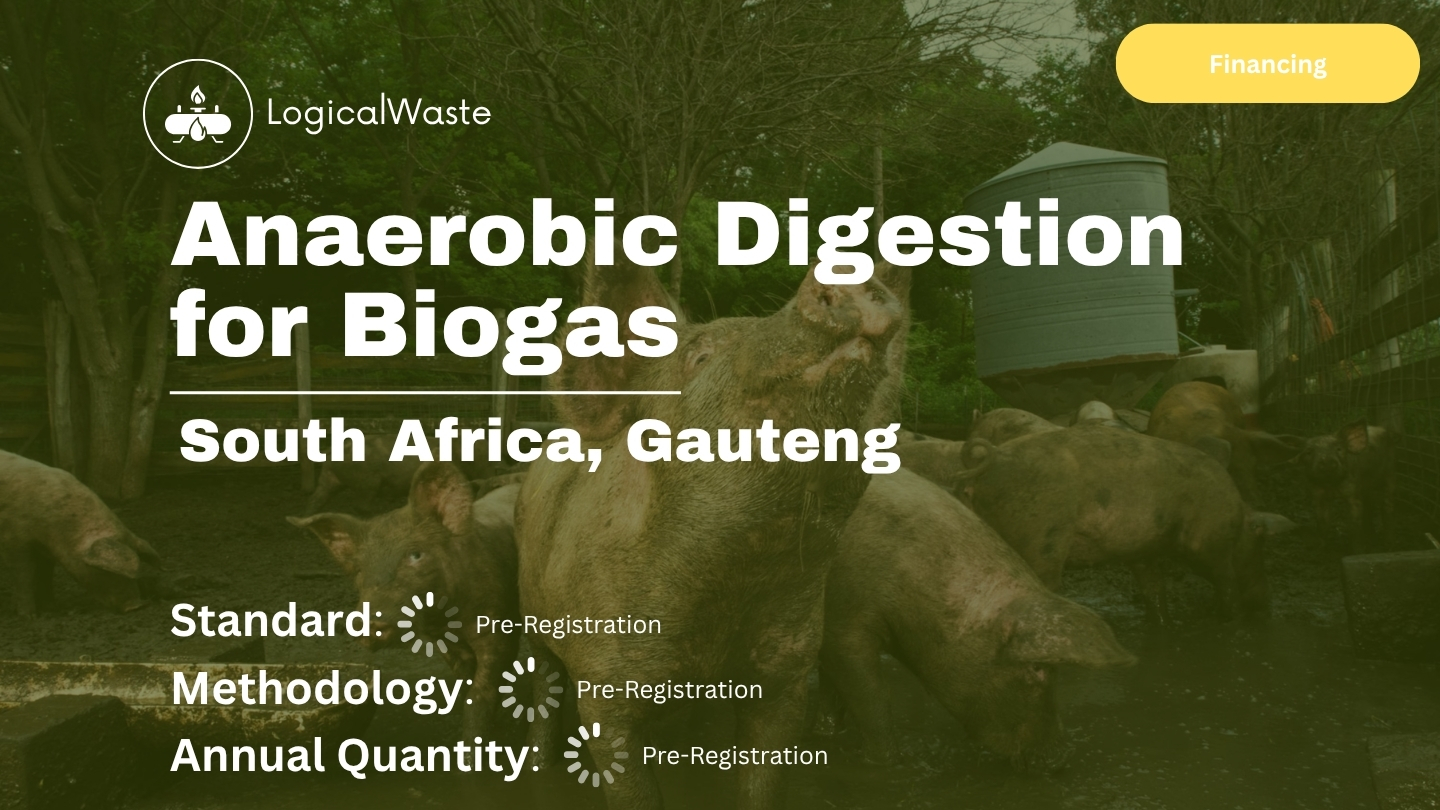
Anaerobic Digestion for Biogas
Converting Agricultural Waste into Renewable Energy and Emission Reductions
This project captures methane from pig manure through anaerobic digestion, producing renewable biogas for on-site energy use. By preventing methane release—a greenhouse gas more than 25 times stronger than CO₂—the project delivers substantial climate benefits. The closed-loop process reduces odour, water contamination, and operational waste for farmers while enhancing environmental compliance. Energy produced from biogas offsets fossil fuel consumption, improving both sustainability and energy security. It demonstrates the effective application of circular-economy principles within modern agricultural systems.
How it works
01
Contact us about your project
02
Introduction to experts and developers
03
Finance and develop your carbon project
04
Sell your offsets on Green Asset Exchange
Sign up to trade
Gain access to a trusted platfrom for trading Green Assets

